In conversation with Grant Leggett: Boyer, Planning and the Case for Change

After 15 years at Boyer, Grant Leggett has plenty to say about the business, its people and the planning system they navigate. In this Q&A, Grant discusses client care, planning reform and the uncomfortable conversations needed to deliver homes.
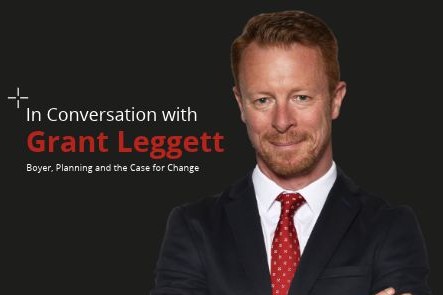
After 15 years at Boyer, Grant Leggett has plenty to say about the business, its people and the planning system they navigate. In this Q&A, Grant discusses client care, planning reform and the uncomfortable conversations needed to deliver homes.
What are your main priorities as Managing Director?
Well, it’s my responsibility to lead a successful, resilient, and sustainable business. But we can only do that if we have loyal clients. People will often hear me say “we can be as good as we like at what we do– and we’re very, very good at it – but we’re nothing without our clients.”
So, a really important part of my role is to ensure we understand our clients’ needs, deliver quality advice to help ensure their success, and be industry leaders in client care. If we can do that, they’ll help us drive the success we’re striving for as well as us helping them deliver their own success.
It’s also essential that we’re able to recruit and retain the best people to ensure we pass on that service to clients. A happy consultant will make a good consultant, so Boyer needs to be a thriving, positive workplace where staff are treated well, given varied opportunities to learn and rewarded for their efforts and successes. So, it’s another major priority for me to ensure Boyer is that workplace.
What do you want Boyer to be known for?
Best-in-class advice, industry-leading client care, and a great place to work. There’s another cliché you may have heard about training people well enough that they can move on from you but keeping them so happy they won’t. It’s a cliché because it’s right, and it’s part of our ethos.
We’re one of a dwindling number of independent consultancies focused on planning. We’re not fettered or constrained by outside influences, and that gives us the flexibility and agility to do these things better than others.
That’s a big part of what’s kept me at Boyer for 15 years: we are masters of our destiny, the people matter, and everyone can have a part in shaping the business in a manner that achieves our goals.
How does Boyer help clients manage planning and development risk?
Aside from being experts in navigating the challenges the planning system throws at a developer, we put a lot of emphasis on commercial awareness among our consultants.
We don’t just focus on planning with tunnel vision. We encourage our consultants to really understand the risks and challenges our clients face commercially, so we can ensure our advice is what will best achieve their financial goals. A planning permission isn’t worth anything if it doesn’t work commercially.
Our team of people from a variety of backgrounds and experiences. We’ve seen first-hand the many ways the development process can trip someone up, and we share that experience with our clients so they can benefit from what we’ve learned.
If you could change one thing about the planning system tomorrow, what would it be?
I’ve changed my tune on this one recently; I guess that means I’m adaptable. My answer was hitherto that the system needs to be resourced better. Now, I think it’s that it needs to be stripped back of all those things that have been lumped into it.
Well-meaning and good idea they might be – biodiversity and fire safety, for example, are clearly good things to have. But they don’t belong in the planning system. They create a massive drag and add complexity to a system that’s already complex.
Rather than fuel the system with more people, take some of the unnecessary matter out so we can get through it more quickly.
What’s a widely accepted view about planning or development that you fundamentally disagree with?
I’d probably start by debunking my nine-year-old son’s view that planning is talking at a screen a lot, telling architects how tall their buildings should be. I confess, I may have had a role in influencing that view. But he’s learning that planning has a wider role; it’s about making places better and more enjoyable and ensuring everyone has access to the things they need for a good life – a home, parks, thriving high streets. And he’s had first-hand experience of enjoying those things; he’s played in the new public realm and marvelled at some of the beautiful new buildings I’ve been involved in.
Then there’s the view that planning is a somewhat stuffy and rigid. Actually, it’s dynamic, sometimes turbulent, but hugely rewarding, with professionals from a range of backgrounds who you learn something new from ever day.
More generally, I disagree that developers and housebuilders are strangling the supply housing supply whilst lavishing themselves in obscene profits. Delivering development is hard and only getting harder. We’re at something of a precipice at the moment. If that isn’t arrested, we risk a generational gap in delivering what this country needs, starting with enough decent homes.
Our nation’s prosperity hinges on housing people properly. A solid home influences everyone’s life choices and chances.
What’s the uncomfortable conversation about delivering new development that the industry needs to have, and who needs to be a part of it?
Delivering homes and infrastructure is central to everyone’s prosperity, health, and life prospects. And here’s the uncomfortable bit: that means change. People don’t like change. It frightens them. It motivates mistrust, sometimes anger, and resistance to development.
Development means – literally the dictionary definition - growing, changing, or improving to become more advanced, mature, or organised. People at large need to understand that. It’s about adapting to an inevitable future. If we haven’t developed in a manner that allows us to adapt to that, we’re going to decline.
And if that means accepting some change and some impacts on the things we value in the interests of future generations, then so be it.
Conclusion
After 15 years at Boyer, Grant’s ambitions extend well beyond the business itself. He wants clients to succeed, colleagues to have room to grow and the planning system to deliver the places people need. And he’s happy to challenge a few accepted views along the way.