Taking on a dilapidated pub / hotel / restaurant: challenges and practical solutions

Hospitality is an industry built on optimism. Every successful publican, hotelier or restaurateur starts with a vision for how a space could be transformed.
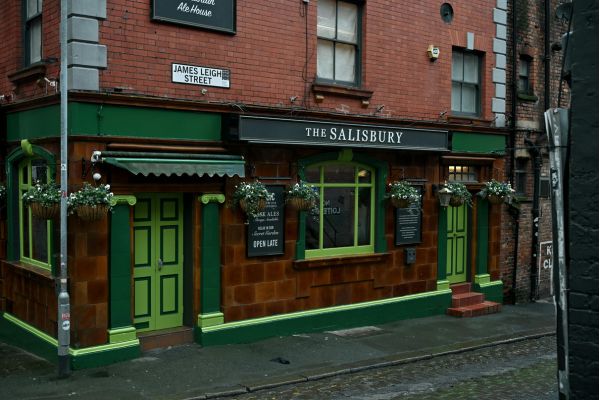
Yet when that space is a long-closed pub, a tired roadside hotel or a once-grand restaurant, optimism alone will not make the numbers work. These buildings can be costly to repair and challenging to adapt. But they can also become profitable, vibrant businesses once again – and the planning system, far from being a barrier, is often the key to unlocking that potential.
Understanding why others walked away
Before committing to a purchase, it is essential to know why a property failed. Some sites struggle because of structural decline or years of underinvestment. Others have been left behind by changing trade patterns or shifting customer expectations. A picturesque coaching inn that once relied on passing horse-drawn traffic is unlikely to thrive without an imaginative new offer and modern access arrangements.
A full appraisal should go beyond the building itself. Assess demand, catchment, competition, licensing constraints, parking and public transport links, and the need for planning consent. Many operators spend heavily on interiors and branding without fully understanding the regulatory framework, which could potentially bring about considerable delay and become one of the biggest items on the balance sheet.
Planning as an enabler, not a roadblock
That said, much of the negative folklore around planning is misplaced. In reality, planning exists to manage change, not to prevent it. Altering layouts, adding bedrooms or outdoor seating, expanding parking, or introducing new uses such as event space or co-working can all require permission (but not necessarily). Achieving the right planning consent can transform a business model, turning an unviable property into a profitable mixed-use destination.
Engaging a planning consultant early helps identify what is possible, what is likely to win support and where risk lies. Local authorities are usually keen to see empty or derelict buildings brought back into productive use. A well-prepared application that shows how a proposal will preserve heritage, create jobs and improve amenity is more likely to succeed – and often faster than applicants expect.
Listed buildings: more opportunity than obstacle
For many hospitality entrepreneurs, the phrase ‘listed building’ still rings alarm bells. Yet listed status should not deter investment. The process of obtaining listed building consent is often more navigable than feared, particularly with experienced professional advice and the results of transforming a listed building can be stunning.
An example is our work with The Mitre in Oxford – the city’s oldest pub, with cellars dating back to the 1300s and an inn above built in the 1630s. Closed in 2019 by its then owner, Lincoln College, it required extensive repair but also needed to evolve to meet modern hospitality standards. When Gusto Italian acquired the building in 2022, it committed £1.4 million to restore historic features – from 17th century panelling and stone fireplaces to rare decorative stucco – while creating stylish dining spaces fit for contemporary diners.
Securing listed building consent for such a site is about collaboration. Architects and planning consultants work together to identify what makes the building significant and how that can be retained while enabling a viable new use. Early ‘pre-app’ meetings with the council’s conservation team can shape proposals before formal submission, avoiding costly redesigns. In many cases, well-managed applications are approved by officers under delegated powers rather than going to committee.
The key is to recognise that planning is there to help historic buildings adapt. The system does not insist on a faithful return to past uses; it exists to allow meaningful, sensitive change. With careful engagement, listed buildings can be reborn as destinations that respect heritage while serving today’s market.
Designing for modern customers
Consumer expectations have shifted. Flexible dining spaces, outdoor terraces, EV charging and high-speed Wi-Fi are now fundamental. Accessibility standards are higher, and sustainability – from energy efficiency to biodiversity net gain – is front of mind for both planners and guests.
Older buildings often need thoughtful adaptation to meet these demands. But planning can facilitate imaginative solutions: discreet extensions or garden rooms to create year-round space, sympathetic remodelling to improve flow and accessibility, or integrating renewable energy technologies in heritage settings. Local design codes and conservation policies can seem rigid but are usually negotiable when proposals enhance rather than erode character.
Working with the local authority – and the local community
Too often, developers approach the planning process as a fight. In truth, collaboration works better. Most councils want to see heritage assets and empty buildings back in use. Engaging officers early, consulting with neighbours and community groups, and showing how a proposal will create jobs and amenities can significantly reduce delays and objections.
Where a site is listed as an Asset of Community Value (ACV), there are extra procedural steps and community bidding rights. But these do not make regeneration impossible. With the right advice, an ACV-listed pub can be sensitively upgraded or diversified while respecting its social importance.
Making the numbers work
Reviving a neglected hospitality site often requires phasing and careful funding. Many successful operators open a core food and drink offer first, then add rooms or events space once cash flow allows. Planning permissions can be structured to support this staged growth. In some locations, grants or local regeneration funding may also be available, particularly for listed building repair or sustainable upgrades.
Optimism rewarded
Taking on a tired pub, hotel or restaurant will always be a calculated risk. But it is a risk that can pay off – commercially and culturally – when combined with smart planning and informed design.
The planning system is sometimes portrayed as a brake on entrepreneurship. In reality, it is a framework for making ambitious projects viable, protecting what is special while enabling adaptation. For hospitality businesses prepared to work with it, planning is not a hurdle but a powerful tool to turn neglected buildings into thriving destinations once again.